永住者
えいじゅうしゃ
Eijūsha
Permanent Resident
Permanent Residence changes the shape of your life in Japan. It gives much greater stability and freedom — but it is still a status of residence, not Japanese citizenship.
Your permitted activities are not tied to one specific work category.
The status itself is permanent, so you do not keep renewing a one-, three- or five-year period of stay.
You remain a foreign national unless you separately naturalize as a Japanese citizen.
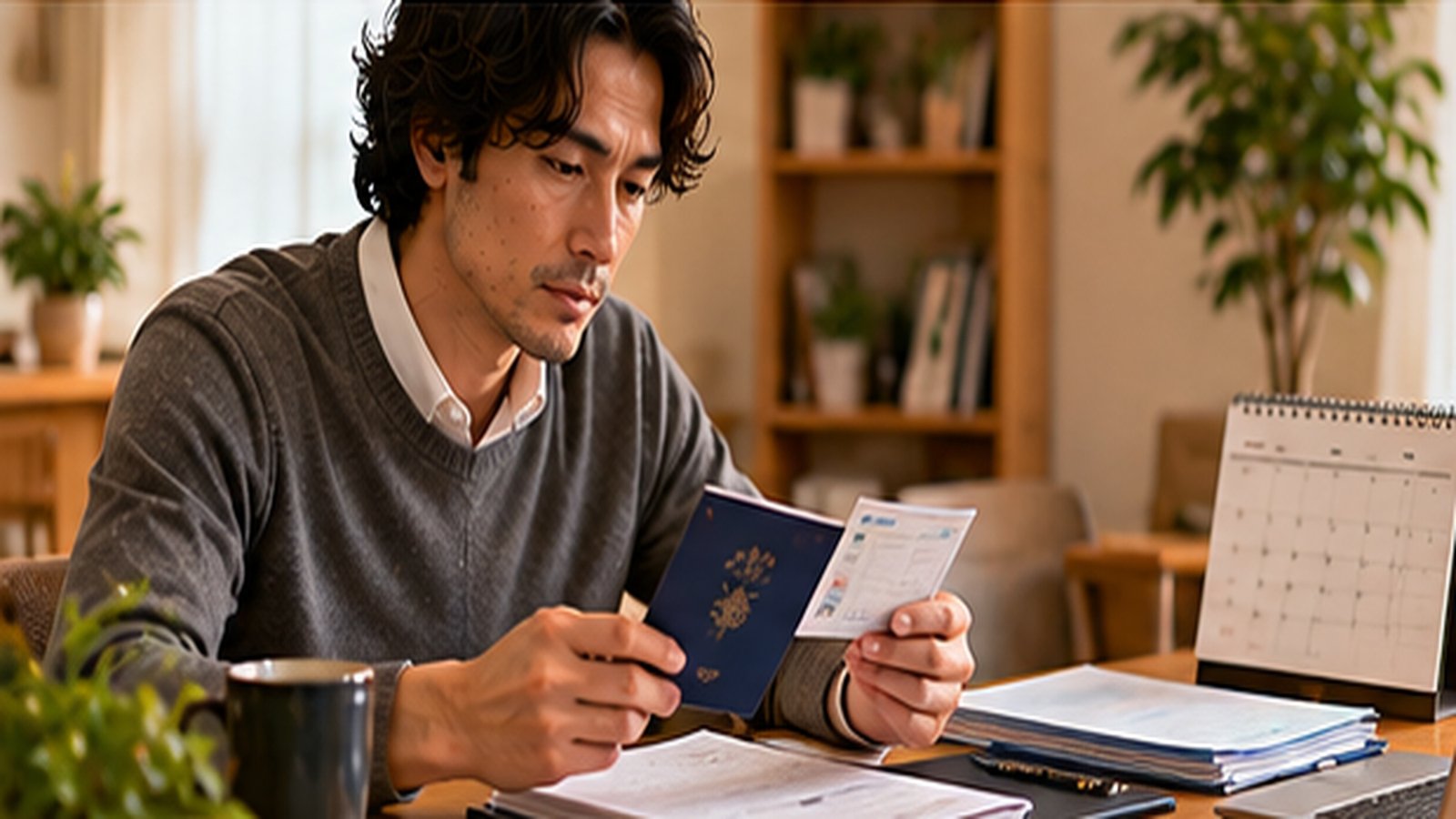
Your life is no longer built around the next period-of-stay renewal.
That can make work, housing, family, finances and retirement planning feel more stable.
You remain a foreign national with a Japanese status of residence. Your activities are broadly unrestricted and there is no period-of-stay limit.
Citizenship changes your nationality and legal status as a citizen. Naturalization is a separate process with different requirements and consequences.
This page explains the meaning of PR. Eligibility is a separate legal assessment.
Current PR guidance considers conduct, livelihood, the national interest and proper fulfillment of public obligations, with different routes and exceptions depending on the applicant.


Unlike many work-based statuses, Permanent Resident status is not tied to a narrow activity category.
That broader freedom can make career changes, entrepreneurship, family decisions and long-term planning easier.
A short explanation of what changes, what does not, and why PR is such an important long-term milestone.
No. Permanent Residence is a status of residence. Nationality does not change.
No. Permanent residents still have residence-card procedures to manage.
No. Travel and re-entry requirements still matter.
No. Permanent residence does not remove your legal, tax or social-insurance responsibilities.
The current Immigration Services Agency framework treats Permanent Resident as a status of residence with no restriction on activities and no period-of-stay limit. PR eligibility itself remains a separate assessment under the current guidelines.
Last checked: October 9, 2026.

For many people, that means fewer immigration cycles, more flexibility, and a stronger foundation for building a life that can continue.
Next we move into leaving or changing municipalities: what must be reported to city hall when your life in Japan changes.