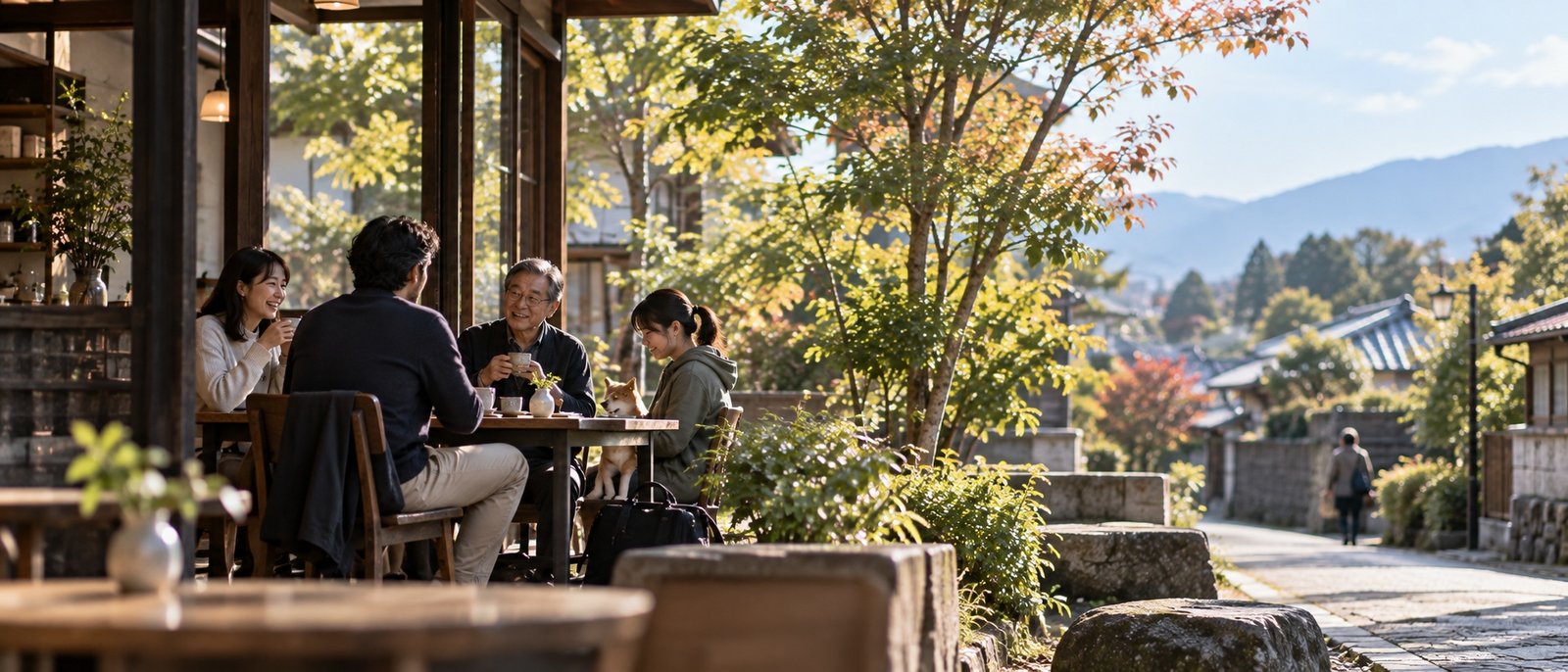
Different generations sharing an ordinary moment in Japan
Foundation · Numbers, People & Everyday Life

Now the Years
Belong to Someone.

A year is a number on a calendar. Age is what happens when those years belong to someone. Japanese can now move from counting time to talking about a life.

01 · Meet 歳

How old? The useful version.

歳 means years of age. Ask 何歳ですか when age is relevant; おいくつですか is a softer, more polite alternative.

歳saiyears old / age counter
何歳ですか。Nansai desu ka.How old are you?
おいくつですか。Oikutsu desu ka.How old are you? — polite
Grammar gives you permission to form a question. Social context decides whether asking it is a good idea.
02 · Count age

Mostly regular. Mostly.

Attach 歳 to a number, but listen for sound changes. Japanese likes rhythm enough to modify a few edges.
Watch: 1歳 = issai, 8歳 = hassai, 10歳 = jussai. And then twenty arrives with an entirely different plan.
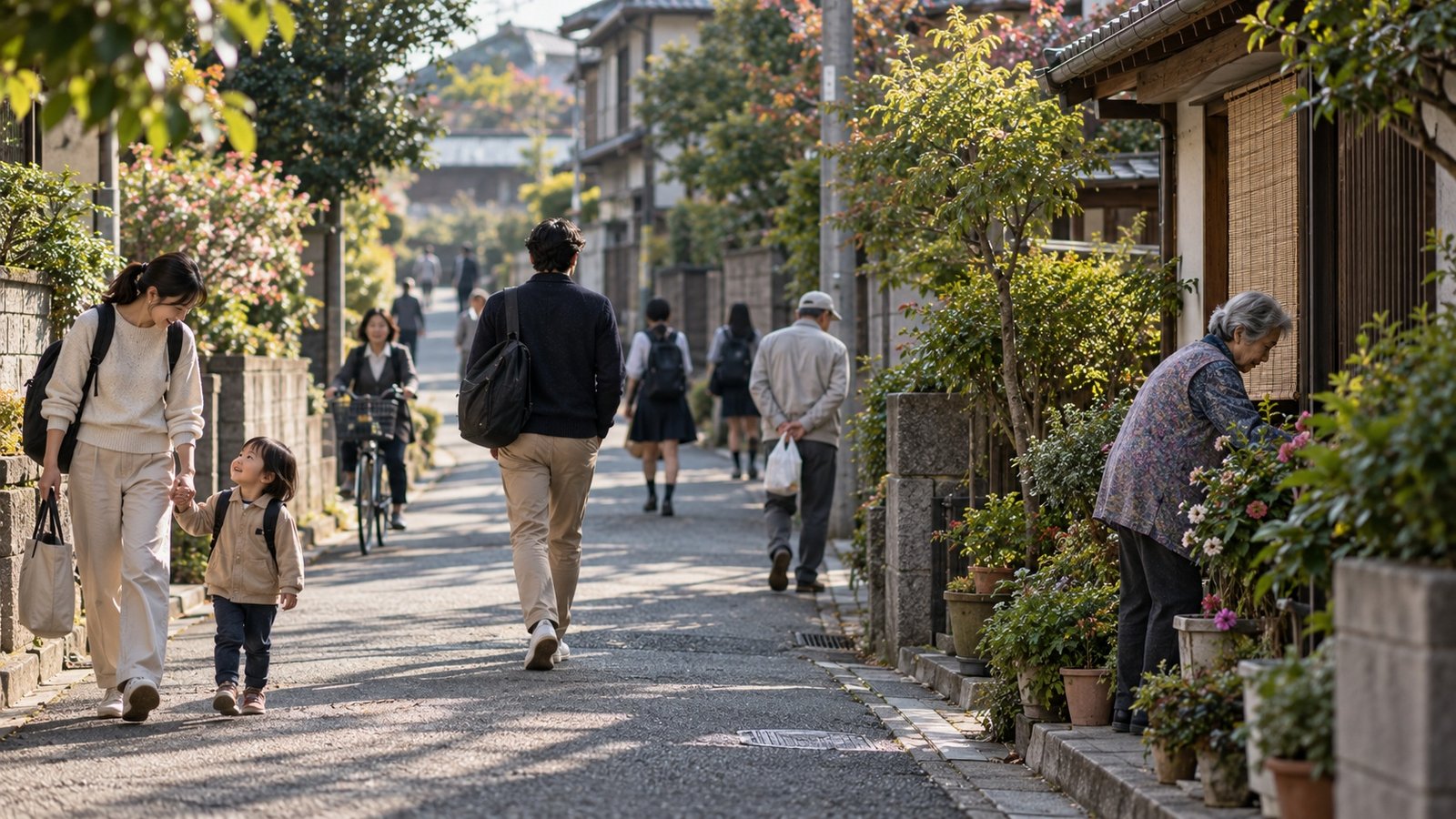
Different generations in an ordinary Japanese neighbourhood
03 · Hear the pattern

Age from one to sixty.

Do not memorise every possible age separately. Learn the pattern—and give the exceptions extra attention.
1歳issai
2歳nisai
3歳sansai
4歳yonsai
5歳gosai
6歳rokusai
7歳nanasai
8歳hassai
9歳kyūsai
10歳jussai
11歳jūissai
18歳jūhassai
20歳hatachi
21歳nijūissai
28歳nijūhassai
30歳sanjussai
40歳yonjussai
50歳gojussai
60歳rokujussai
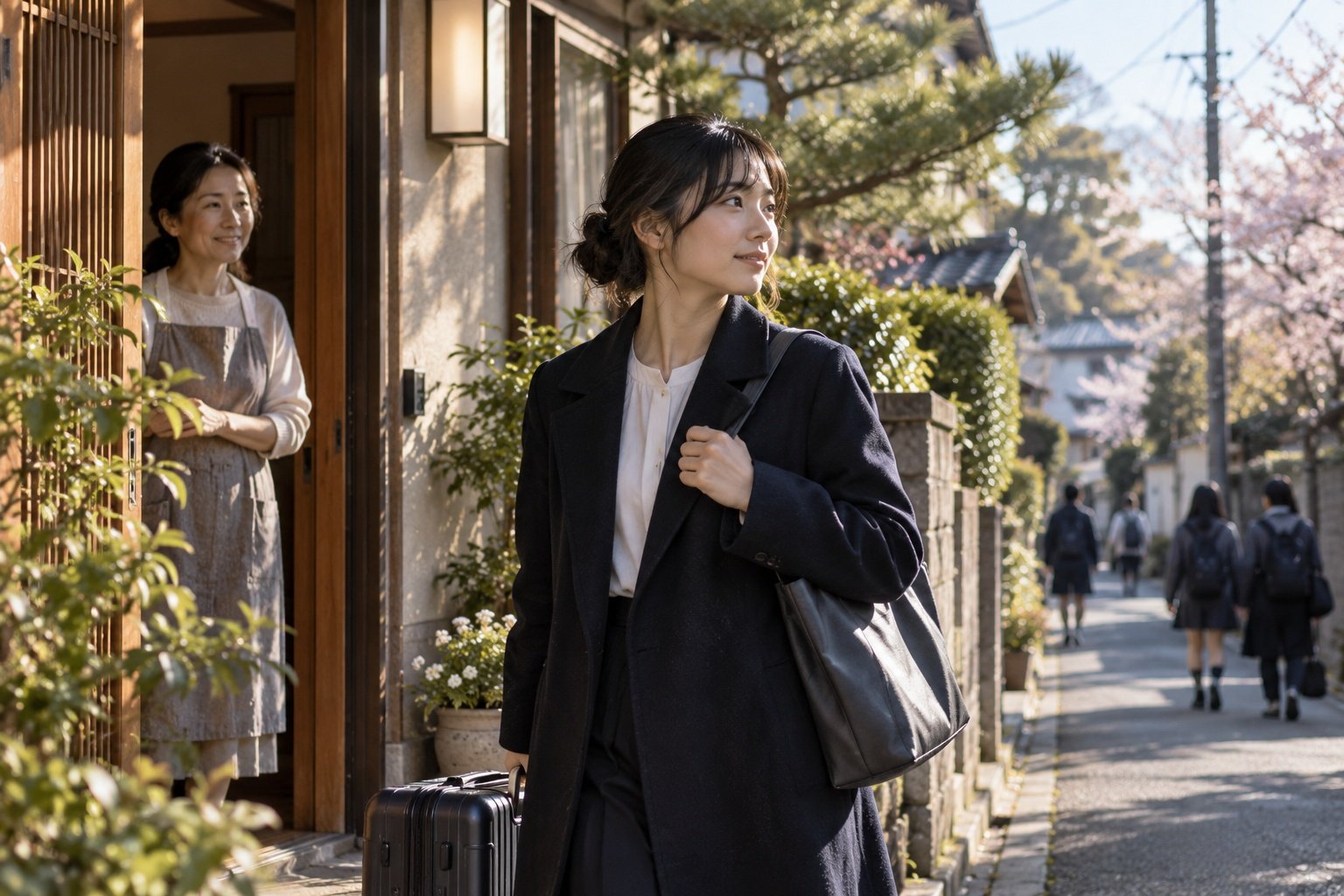
Young adult at the threshold of adulthood in Japan
04 · The famous exception

Twenty is はたち.

20歳 has the traditional and very common age reading はたち · hatachi.

20歳hatachi20 years old
Japanese numbers behaved rather well for several lessons. Apparently they decided they had earned one rebellion.
20歳になりました。Nijussai ni narimashita.I turned twenty. — the numeric reading is also used

For beginner age vocabulary, remember 20歳 = はたち first.

05 · Ask and answer

A question becomes personal.

When age is relevant, the exchange itself is simple.
何歳ですか。Nansai desu ka.How old are you?
Woman Man
32歳です。Sanjūnisai desu.I am 32.
Woman Man
私は28歳です。Watashi wa nijūhassai desu.I am 28 years old.
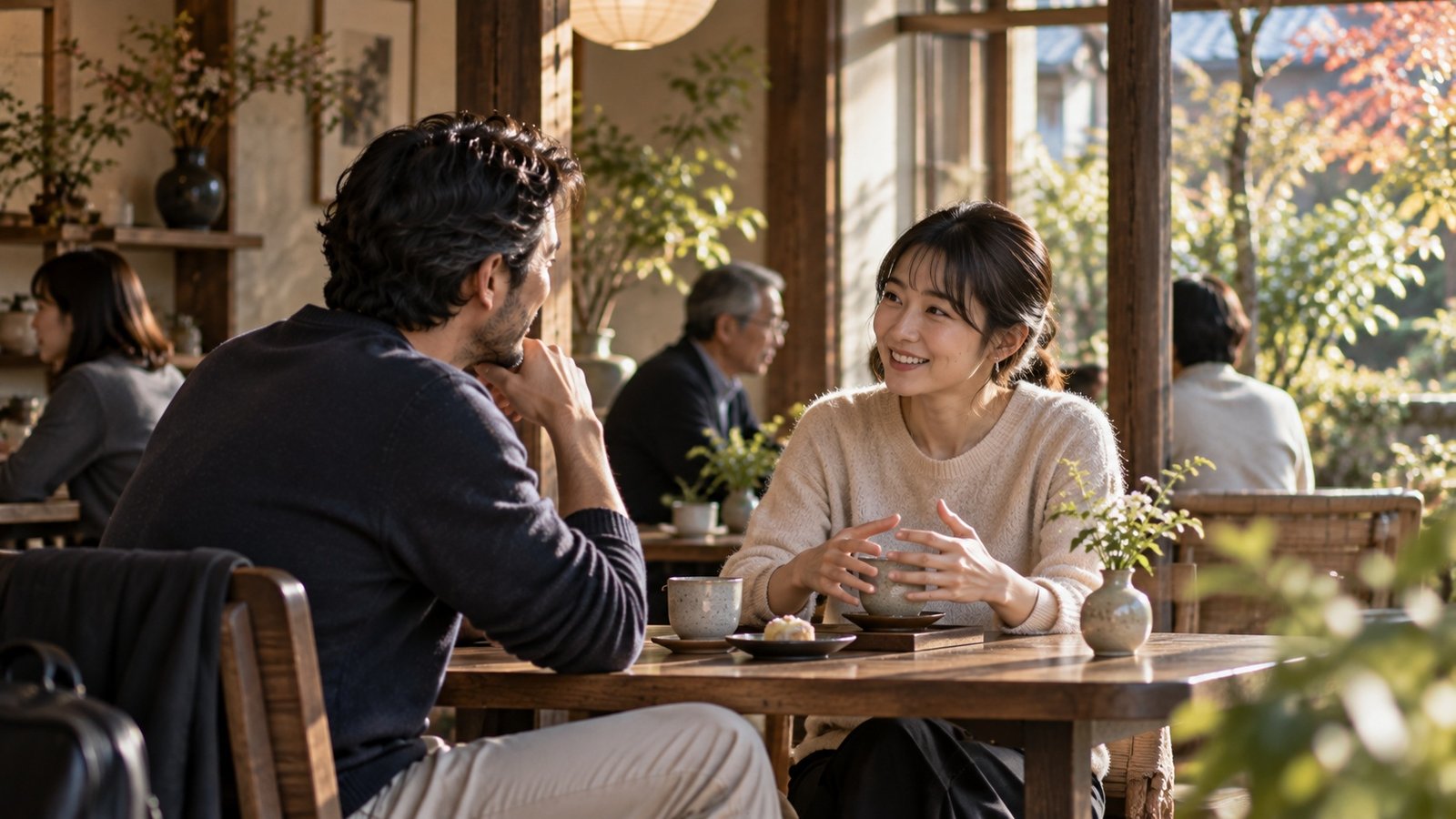
Two adults having a comfortable conversation in Japan
06 · Children & polite conversation

Same grammar. Different social texture.

Asking about a child

お子さんは何歳ですか。Okosan wa nansai desu ka.How old is your child?
Woman Man
5歳です。Gosai desu.Five years old.
Woman Man

A more polite question

おいくつですか。Oikutsu desu ka.How old are you? — polite
Woman Man
68歳です。Rokujūhassai desu.I am 68.
Woman Man
Older adult actively engaged in everyday life in Japan
07 · Age in a life

A number explains surprisingly little.

Age matters on forms, at schools, for tickets, healthcare and milestones. In ordinary adult conversation, context matters just as much.

Age tells you how many years someone has lived. It tells you remarkably little about what they can still teach you.

年齢はただの数字です。Nenrei wa tada no sūji desu.Age is just a number.
08 · Becoming an age

Years do not only belong. They arrive.

Japanese uses ~歳になります to say someone will turn a particular age.

今年30歳になります。Kotoshi sanjussai ni narimasu.I turn 30 this year.
Woman Man
来年40歳になります。Rainen yonjussai ni narimasu.I turn 40 next year.
Woman Man
Earlier lessons are joining together: 今年 + age + になります. Japanese is starting to reuse itself. Very considerate of it.
09 · Social Japanese

Knowing the question is not the same as needing it.

Age questions can be normal when there is a reason—children, school, forms, eligibility, milestones, family conversation, or when age is already the topic. With adults you have just met, it may feel unnecessarily personal.

何歳ですか。

Direct and useful when age is genuinely relevant.

おいくつですか。

Softer and more polite, but politeness does not make every personal question necessary.

Learn to understand age questions before making them part of every introduction.
10 · A playful question

How old do I look?

You may hear this among friends or in light conversation:

何歳に見えますか。Nansai ni miemasu ka.How old do I look?
Proceed with diplomatic skill. Japanese grammar can teach you the sentence. It cannot rescue you from the answer.
Adults talking naturally in a Japanese social setting
11 · Real Japan mission

Notice age without reducing people to it.

Listen for 歳 in family conversations, interviews, television, forms and introductions where age is relevant. Try to catch the number before it.

1歳

issai

8歳

hassai

20歳

hatachi
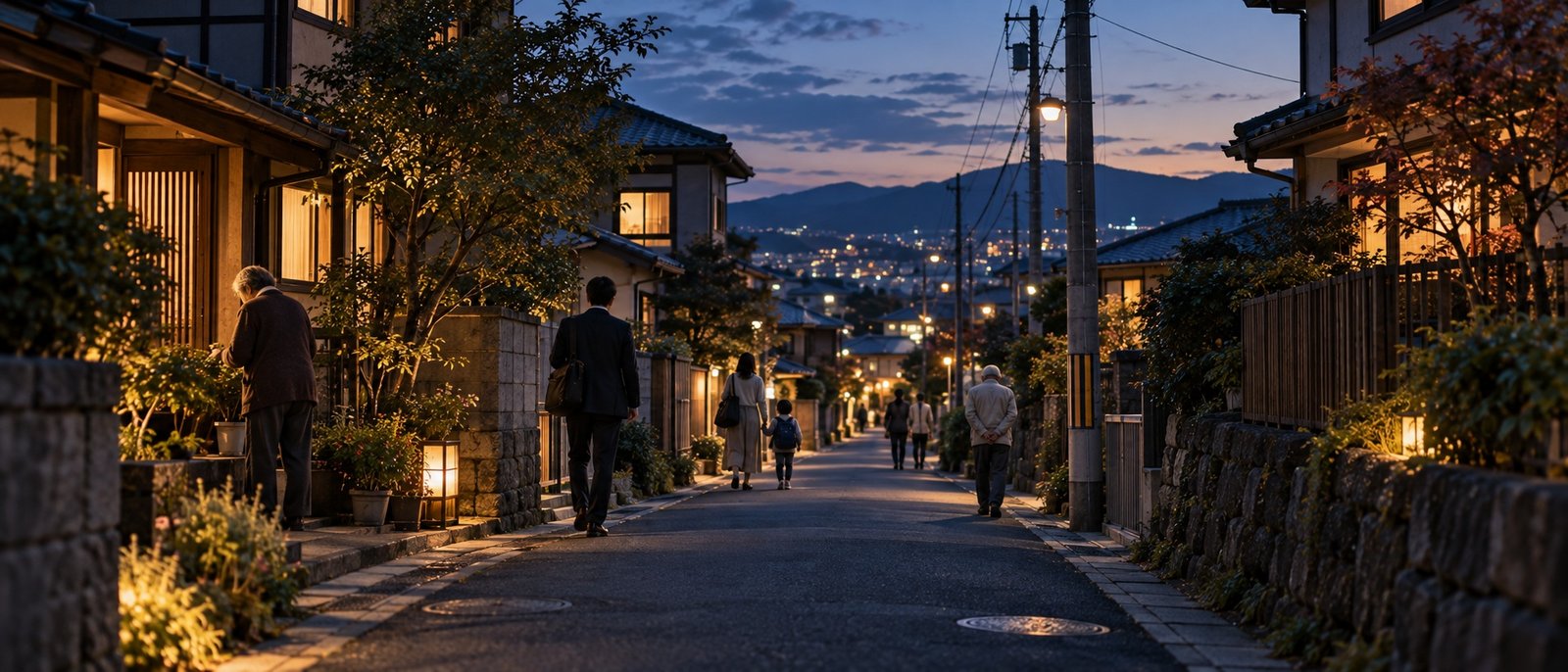
People of different generations moving through a Japanese neighbourhood at blue hour
12 · Continue your journey

Life keeps moving
while we count.

We count age because years pass. Life, rather inconveniently and beautifully, keeps moving while we count.