日本に興味があります。
にほんに きょうみが あります。
Nihon ni kyōmi ga arimasu.
I'm interested in Japan.

Good. You do not need a visa plan, a shipping company or a resignation letter yet. You need a clearer picture of what life in Japan could actually mean for you.
The useful question is much narrower: Would a particular version of life in Japan fit your goals, responsibilities, personality and constraints?
Safety, transport, food, culture, landscapes, order, convenience and the excitement of beginning somewhere different.
Residence status, work, language, taxes, insurance, housing, paperwork and rules that become relevant when you stop being a visitor.
Belonging, loneliness, family needs, career growth, bureaucracy, friendships and whether ordinary Tuesday mornings still feel right.
“I love Japan” is a beginning, not a plan. Turn attraction into a reason you can test.

| As a visitor | As a resident |
|---|---|
| You choose almost every place you see. | You also experience commutes, supermarkets, bills, city hall and ordinary neighborhoods. |
| Your schedule is temporary. | Work, school, childcare and appointments shape your weeks. |
| Language gaps can feel adventurous. | The same gaps can affect contracts, healthcare, schools and career progression. |
| You spend from a travel budget. | You live within income, rent, tax, insurance and savings. |
| You can leave when the trip ends. | You need systems, relationships and routines that remain workable year after year. |

A long-term move is not judged only by cherry blossoms, temples and exceptional weekends.
Japan uses different statuses of residence for different activities and circumstances. Start with what you intend to do, then investigate the route that matches it.
Test Japan without pretending a holiday equals residency.
Language school, university, graduate study or vocational education.
Understand your role, language level and work-status fit.
Move from offer to contract, immigration and relocation.
Plan residence, school, housing and family setup together.
Examine whether Japan fits the business and immigration plan.
Handle the first practical hours and days.
Use Start Japan as an operating system for resident life.
The language requirement changes by job, city, household, school and life stage. English can carry you through many situations; it does not eliminate Japanese from resident life.
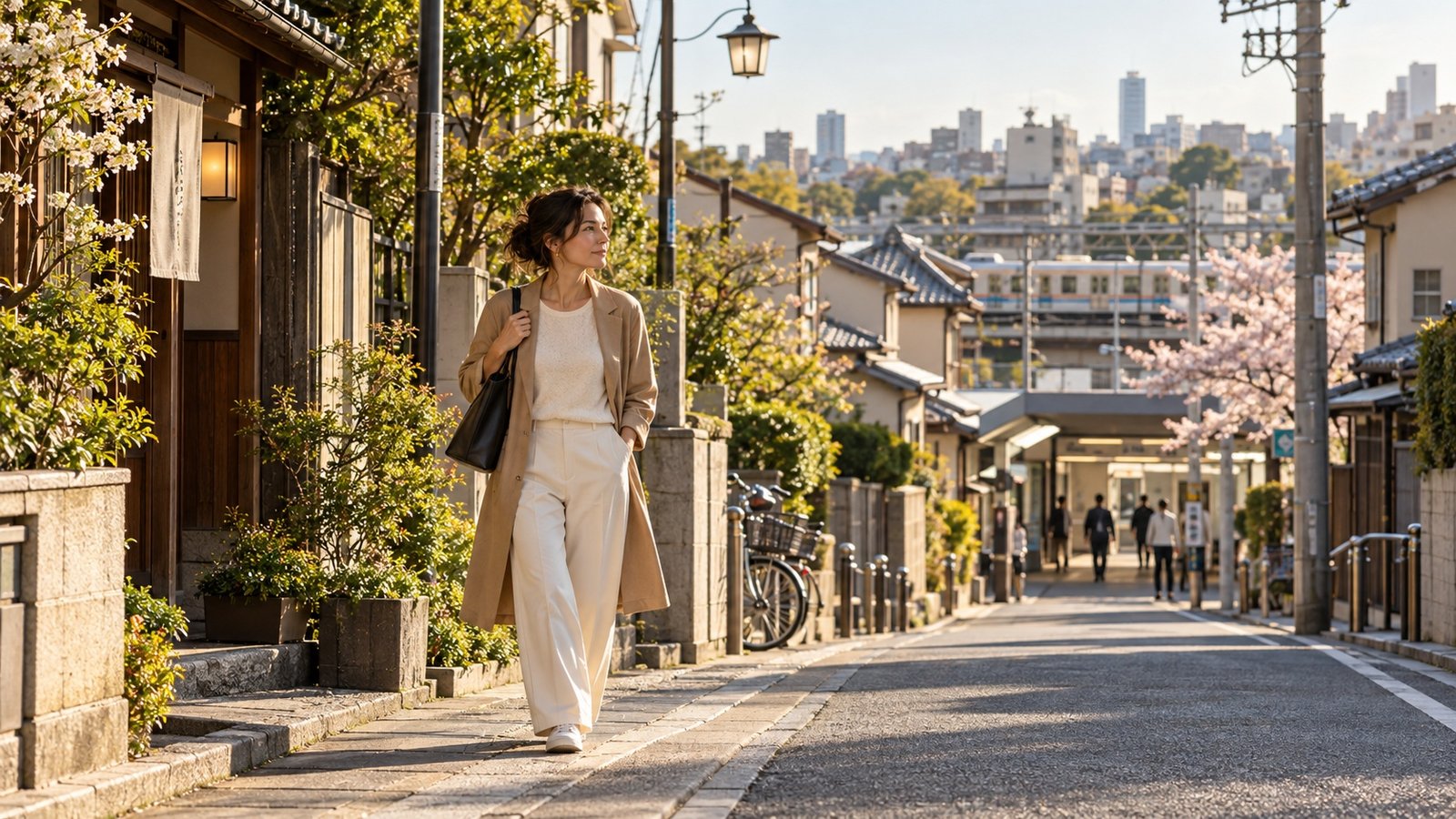
Your real cost depends heavily on city, household size, housing standard, commute, schooling, travel habits and income structure.
Rent is only one number. Initial move-in costs, deposits, fees, guarantor arrangements, furniture and location can materially change the first-year cost.
Compare take-home income, not merely advertised annual salary. Tax and social-insurance obligations matter.
Childcare, school choices, spouse employment and trips home can dominate the household budget more than groceries.
Use this short introduction to move from fascination to a more useful decision process.

Do not compare “Japan” with “home.” Compare actual roles, managers, progression and professional scope.
Companies differ enormously. Avoid reducing Japanese workplaces to stereotypes, but ask hard questions about hours, decision-making and expectations.
If you leave Japan later, will the experience strengthen your career elsewhere?
| Environment | Possible advantages | Possible trade-offs |
|---|---|---|
| Major metropolis | Jobs, transport, services, international communities, English accessibility. | Housing size, commute, pace and cost. |
| Regional city | More space, slower pace, lower housing costs in many areas. | Fewer specialized jobs and services; Japanese may matter more. |
| Small town / countryside | Community, nature, space and a very different daily rhythm. | Car dependence, limited employment, fewer international services and deeper local-language demands. |

Transport, convenience and dense service networks can make ordinary tasks remarkably efficient in many places.
Many people value the predictability, cleanliness, safety and order they experience in daily life.
Language, food, craft, seasons, history, neighborhoods and regional culture can keep unfolding long after tourism ends.
Forms, deadlines, identity documents, municipal procedures and language gaps become tiring when they arrive together.
Friendly encounters are not the same as a durable support network.
A dream location cannot compensate forever for work that underuses your skills or blocks progression.
The person with the job may adapt faster than the partner who arrives without a professional or social structure.
Even small tasks consume more energy when you cannot read or explain exactly what you need.
Family emergencies, ageing parents and long flights become part of the real calculation.

Score each area privately: green, amber or red. One red item does not automatically mean “no.” It tells you where research has to go next.
Japan can be wonderful without being the right long-term choice for every person, career or family.
Official overview of statuses of residence, permitted activities and related application information.
Explore residence statuses →Government portal bringing together multilingual information needed for living in Japan.
Open resident support portal →Immigration Services Agency guide covering essential information for foreign residents in multiple languages.
Open Living & Working Guidebook →Official information for foreigners newly entering Japan, including everyday-life and support resources.
Open new-entrant guidance →A government support hub bringing together organizations that assist foreign residents with different life and administrative needs.
Explore FRESC →Use official sources for rules. Use Start Japan to understand what those rules mean for the sequence of your real life.
Return to the decision →
Maybe Japan becomes a holiday. Maybe a degree. Maybe a job. Maybe home. The first good decision is simply choosing which possibility deserves a closer look.